Types of Dental Braces: Metal, Ceramic, and Clear Aligners Compared

Choosing to straighten your teeth is the easy decision. Choosing which type of dental braces is where most people get stuck, because the options have multiplied and each comes with genuine trade-offs. This guide compares the main types of dental braces honestly, so you can walk into your consultation at Dental Excellence knowing exactly which questions to ask.

Traditional Metal Dental Braces

Metal braces remain the workhorse of orthodontics for good reason. Brackets bonded to each tooth and connected by an archwire give precise three-dimensional control over every tooth. For complex cases, severe rotations, or significant bite corrections, nothing offers quite the same command. These dental braces are typically the most cost-effective option, and they don’t rely on patient compliance since they can’t be removed and forgotten. The downsides are familiar: visibility, dietary restrictions, and the extra care needed to keep teeth clean around the brackets.

Ceramic Dental Braces

Ceramic braces work identically to metal ones but use tooth-coloured or clear brackets that blend into the smile. They’re a popular middle ground for patients who want the reliability of fixed dental braces with less visual impact. The compromises are that ceramic brackets are slightly more fragile, can be a little larger, and the clear elastic ties may stain with coffee, tea, or red wine if not changed regularly. They also tend to cost a little more than metal.

Clear Aligners: The Removable Alternative

Clear aligners take an entirely different approach to straightening teeth. Instead of fixed hardware, you wear a series of custom, removable transparent trays that gradually nudge teeth into position. They’re discreet, removable for eating and cleaning, and generally more comfortable against the cheeks and lips. But they demand discipline — aligners only work if worn for twenty to twenty-two hours a day. They also handle some complex movements less efficiently than fixed dental braces, though the technology keeps improving rapidly.

How to Choose the Right Dental Braces for You

Start with the complexity of your case, because that often narrows the field before preference even enters the conversation. Then weigh how much discretion genuinely matters to your daily life and work. Be honest about discipline, since the most discreet option achieves nothing sitting in its case. Finally, factor in budget and treatment duration, both of which your dentist can estimate once they’ve examined your teeth.

Find the Best Dental Braces for Your Smile

There’s no universally “best” type of dental braces — only the best fit for your teeth, lifestyle, and goals. The most useful thing you can do is bring these questions to a professional who can assess your mouth directly rather than relying on generic advice online. The team at Dental Excellence Adelaide can map out which approach makes sense for you and explain the reasoning behind every recommendation.

Dental Braces for Adults: Why It’s Never Too Late to Straighten Your Teeth

There’s an outdated assumption that dental braces belong only to adolescence, and that if you missed the window in your teens the opportunity closed for good. In clinics across Adelaide, the reality is very different. A growing share of patients choosing dental braces are adults, many well into their forties, fifties, and sixties, and their reasons are far more interesting than simple appearance. At Dental Excellence, adult orthodontics is one of the fastest-growing parts of what we do.

Why Teeth Shift as We Get Older

Many adults are surprised to learn that teeth move throughout life. People who had straight teeth as young adults often notice their lower front teeth gradually crowding and overlapping over the years. This natural drift, driven by lifelong chewing forces, means orthodontic relapse is common even among those who never needed braces in childhood. Others return because they wore braces decades ago, stopped using their retainers, and watched the results slowly unravel.

How Dental Braces Work Differently for Adults

The mechanics of moving teeth are the same at any age, but the surrounding context changes. Adult patients often have a more complex dental history: existing fillings, crowns, bridges, gum recession, or bone that has thinned over time. Treatment with dental braces has to be planned around this existing landscape, which is why close coordination with general dentistry matters. Adult teeth also tend to move a little more slowly, because bone remodels at a gentler pace once growth has finished.

The Real Reasons Adults Finally Take the Step

Adults rarely pursue dental braces on a whim. Many describe a specific turning point: a milestone birthday, a new career role, or a long-postponed wish they finally decided to act on. There’s something quietly powerful about choosing, after years of “I always hated my smile,” to do something about it on your own terms.

Discreet Options Have Removed the Last Barrier

Discretion matters more to adult patients, which is why clear and tooth-coloured alternatives to traditional dental braces have driven so much of this growth. Options like Invisalign and ClearCorrect have removed the deterrent of a metal-mouthed professional in their fifties almost entirely.

Is It Ever Too Late for Dental Braces?

If you’ve quietly wondered whether it’s too late, it almost certainly isn’t. Age alone is rarely the deciding factor — gum health, bone support, and your personal goals matter far more than your date of birth. A consultation at Dental Excellence can tell you honestly where you stand and what’s realistic for your situation.

How Dental Braces Improve More Than Just Your Smile

Most people assume dental braces are purely cosmetic, a way to straighten a crooked smile for photos and confidence. The truth is that braces do far more beneath the surface. At Dental Excellence Adelaide, we see patients arrive worried about appearance and leave understanding that dental braces are, in many ways, a form of preventive healthcare. The mouth is the entry point to the digestive and respiratory systems, and the way your teeth meet has consequences that ripple through the whole body.

What an Uneven Bite Does to Your Teeth

When upper and lower teeth don’t come together correctly, the forces of chewing aren’t distributed evenly. Some teeth absorb far more pressure than they were designed to handle, leading to premature enamel wear, microfractures, and eventually the need for crowns or even extractions. A bite problem you’ve lived with comfortably at thirty can become an expensive structural issue at fifty-five. Dental braces correct this alignment and protect your teeth from years of uneven strain.

How Dental Braces Ease Jaw Strain and Headaches

The temporomandibular joints, located just in front of each ear, are among the most used joints in the body. A poor bite can force the surrounding muscles into constant compensation, producing tension headaches, facial soreness, clicking, and chronic pain that patients often blame on stress. By correcting alignment, dental braces can remove a mechanical cause of discomfort that no painkiller could ever address.

Straighter Teeth Are Easier to Keep Clean

Crowded and overlapping teeth create a hygiene problem that toothbrushes struggle to solve. The tight spaces between rotated teeth trap plaque that bristles and floss cannot reach, becoming reservoirs of bacteria. Research continues to link chronic gum inflammation to broader health concerns, including heart disease and diabetes complications. Straightening teeth with dental braces is partly an exercise in making your mouth genuinely cleanable.

The Confidence Benefit You Can’t Ignore

Beyond the clinical advantages, a healthier and more attractive smile genuinely lifts self-esteem and social confidence. Patients frequently tell us they smile more freely, speak more comfortably, and feel more at ease in professional and personal settings after treatment with dental braces.

Ready to See What Dental Braces Could Do for You?

A straight smile is the visible result of a series of invisible improvements to how your mouth functions and ages. If you’ve been told your bite is “a bit off,” it’s worth a proper conversation. Book a consultation with the experienced team at Dental Excellence today.

The Complete Guide to Dental Braces: What You Need to Know

Getting dental braces is a big decision, and it’s important to have a clear understanding of what the process involves, the benefits, and the options available. At Dental Excellence, we are committed to providing expert orthodontic care that helps both adults and children achieve a healthier, more confident smile.

What Are Dental Braces and How Do They Work?

Dental braces are devices that gradually move teeth into their ideal positions by applying consistent pressure over time. Traditional braces use brackets attached to each tooth connected by an archwire. Periodic adjustments tighten the wire, guiding teeth into alignment. Elastic bands may also be used to correct jaw alignment or bite issues.

Why Consider Dental Braces?

Braces don’t just improve your smile — they correct dental issues such as crooked teeth, overcrowding, gaps, and bite problems like overbite or crossbite. Correcting these can reduce the risk of decay, gum disease, and jaw pain.

Types of Braces Offered

At Dental Excellence, we provide a range of braces to suit your needs:

  • Traditional metal braces: Durable and effective for complex issues, suitable for adults and children.
  • Ceramic braces: Less visible, made from clear or tooth-coloured materials.
  • Lingual braces: Attached behind the teeth for discreet treatment.

What to Expect During Treatment

Your treatment begins with a thorough assessment using advanced technology including digital scans and X-rays to create a 3D model of your teeth. After your braces are fitted, you’ll visit every 4-8 weeks for adjustments. Retainers are worn after removal to maintain your new smile.

Affordability & Payment Options

We understand cost can be a concern, which is why we offer flexible payment plans including options with $0 deposit, health fund rebates, and buy-now-pay-later services for manageable payments.

Ready to start your orthodontic journey? Learn more about dental braces and book your consultation at Dental Excellence Adelaide.

What are Dental Implants?

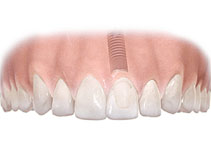
A Dental Implant is an artificial ‘root’ typically made of high-grade surgical titanium which is inserted into the jawbone of the mandible or maxilla to replace teeth missing as if it were a natural tooth. This titanium screw/ ‘root’ ( the Dental Implant) then supports the aesthetically pleasing replacement tooth coloured crown (for a single tooth) or All-On-4™ (for multiple teeth and implants).

At Dental Excellence, we understand that losing a single tooth or more can have severe effects on the quality of life, emotional as well as general health and well-being.

For many years, the loss of teeth forced patients to wear a total or partial removable dental plate or most commonly known as ‘dentures’ which can be very uncomfortable and over time problematic.

Thanks to innovative technology and supporting research, the option of dental implants has become a more highly sought-after preference to the conventional alternative and has given society something to think about.

Dental implants are the best and most modern alternative to replace a single tooth or multiple missing teeth, up to complete top and bottom dentition can be restored with dental implants also known as All-On-4™.

Dental Implant treatment options offer restorations to a high level of functionality almost as if it were your own teeth. Benefits also include the preservation and strengthening of the bone as well as looking and feeling completely natural.

Whether you have lost all your teeth, a few of them, or even just one tooth, dental implants should be considered as an option for your oral rehabilitation program.

To help you learn more, understand and explore the benefits of dental implants and if this option is suitable for you,  call Dental Excellence on (08) 8423 1091  or BOOK ONLINE discuss your options to replace missing teeth with Dr Renu Karn.

© Copyright 2026 Dental Excellence - Published Articles